

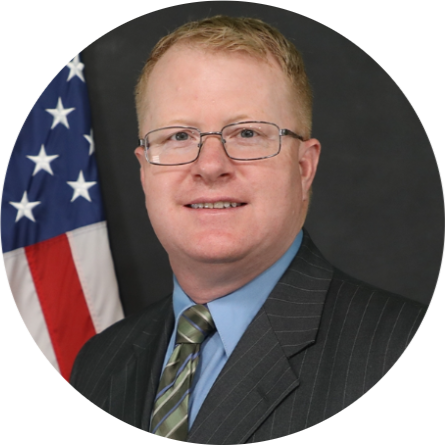
Barry Burton
Instructor Director, Management of Manufacturing Readiness ProcessCredenceMr. Barry J Burton is the Course Director/Instructor for the SYS 213 Management of the Manufacturing Readiness Process for the Air Force Institute of Technology. He has over 27 years in the government industry and small business experience. Barry previously served as the Chair or the Manufacturing Readiness Level Working Group, where he was responsible for implementing the Dept of War’s (previously Dept of Defense) guidance on implementation of assessments of manufacturing maturity for over 4,400 defense manufacturing workforce personnel and industry. He has worked in a Fortune 1000 manufacturing company supporting strategic supply chain management and process improvement.
Additionally, he worked for Air Force Research Lab where he was responsible for Industrial Base Assessments and a program manager for Defense Production Act Title III investment programs. He is a career US Air Force officer, currently supporting the acquisition and engineering communities as a current reservist. Barry lives with his wife, two daughters, and three dogs in Franklin, OH.
Workforce 2030: Upskilling Engineering Talent for Advanced Manufacturing
This session will focus on the two of the most critical risks facing the international defense manufacturing sector: a widening talent gap at a time o
…This session will focus on the two of the most critical risks facing the international defense manufacturing sector: a widening talent gap at a time of unprecedented technological change and a declining manufacturing work force. As the industry confr
…This session will focus on the two of the most critical risks facing the international defense manufacturing sector: a widening talent gap at a time of unprecedented technological change and a declining manufacturing work force. As the industry confronts a wave of retirements from its most experienced engineers, it must simultaneously integrate complex Industry 4.0 technologies like AI, digital twins, and advanced automation. This creates a perfe
…This session will focus on the two of the most critical risks facing the international defense manufacturing sector: a widening talent gap at a time of unprecedented technological change and a declining manufacturing work force. As the industry confronts a wave of retirements from its most experienced engineers, it must simultaneously integrate complex Industry 4.0 technologies like AI, digital twins, and advanced automation. This creates a perfect storm where massive capital investments in technology are at risk of being underutilized due to a workforce unprepared for the future.
Moving beyond a simple technical overview, this session provides a strategic roadmap for turning this challenge into a competitive advantage. We will dissect the four essential pillars for building a resilient and agile future workforce: workforce upskilling and recruitment, modernized training with industry-relevant credentialing, and adaptive culture with visionary Leadership. This session frames talent development not as an HR function, but as a core business and national security imperative for any organization seeking to lead in the 2030 manufacturing landscape.
Attendees will leave this session with a clear framework to:
· Identify the critical gaps between current engineering competencies and the skills required to effectively leverage advanced manufacturing technologies.
· Evaluate innovative training models—including modern apprenticeships and continuous upskilling programs—needed to build a culture of perpetual learning.
· Define the essential role of leadership in championing cultural transformation and driving the adoption of new skills while driving recruitment into critical manufacturing sessions
· Connect strategic investments in workforce development directly to improved operational resilience, risk reduction, and long-term business success.
Intended Audience:
This briefing is essential for senior leaders and decision-makers responsible for the strategic direction and operational readiness of their manufacturing organizations, including:
· C-Suite Executives and Business Unit Leaders
· VPs and Directors of Engineering and Manufacturing
· Human Resources and Talent Management Professionals
· Government and Defense Program Managers
Show MoreClick the title to see all detailsShow More