

Key Takeaways:
- Spot rates for Far East to US West Coast and US East Coast shipments fell, even as offered capacity on those lanes rose more than 10% from the prior month, Xeneta reported.
- Far East to Mediterranean spot rates moved in the opposite direction, climbing 6.8% to USD 4,989 per FEU, while most other Far East fronthauls softened.
- Despite the weekly pullback, Far East to US rates remain far above year-ago levels, so importers should treat the dip as a short-term easing rather than a return to low pricing.
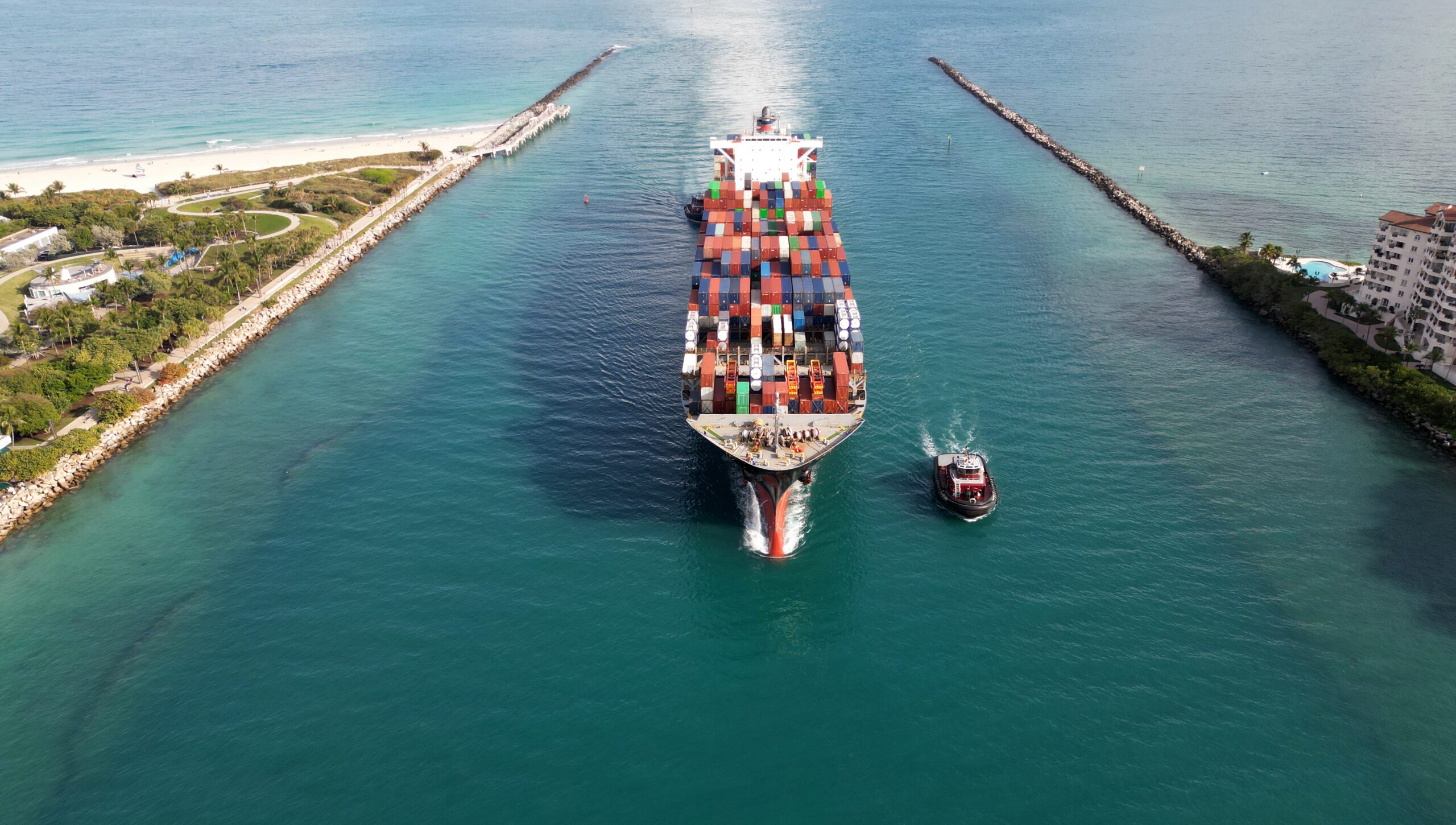
Importers moving cargo from Asia to the United States got a bit of breathing room last week. Carriers added meaningful capacity to the Pacific trade, and spot rates eased on both coasts. That shift gives shippers reason to revisit upcoming bookings, though a softer market average doesn’t guarantee the same deal on every sailing.
Why Are Far East To US Rates Falling Right Now?
According to Xeneta’s weekly market update published Nov. 20, 2026, average spot rates from the Far East to the US West Coast dropped 1.7% to USD 8,203 per FEU. Rates to the US East Coast fell 1.9% to USD 10,901 per FEU, a slightly steeper weekly decline than the West Coast saw.
“Offered capacity is increasing on all fronthauls out of the Far East to Europe and the US, with average spot rates unsurprisingly continuing to soften – with one exception,” said Peter Sand, Xeneta’s chief analyst. “The trade from the Far East to the Mediterranean is moving in mysterious ways, with spot rates increasing 6.8% in the past week.”

Offered capacity to the West Coast rose 10.9% compared with a month earlier, while East Coast capacity climbed 11.4%, Xeneta reported.
The weekly decline doesn’t erase how far rates have climbed over the past year. West Coast prices sit 304.3% above where they stood in November 2025, and East Coast rates are up 297.8% over the same period. Shippers comparing this week’s number to last year’s should read the drop as a pause in a much larger climb, not a long-lasting discount.
Why Is The Mediterranean Trade Moving In The Opposite Direction?
While North American rates eased, the Far East to Mediterranean lane strangely did the opposite. Spot rates there rose 6.8% to USD 4,989 per FEU, now USD 1,551 higher per FEU than Far East to North Europe pricing, Xeneta said. Sand pointed to the Red Sea as a possible factor: container ship transits through the Bab el-Mandeb Strait climbed from 305 in August to 463 in October, then fell 28% from a late-October peak through Nov. 19. Mediterranean service is more exposed to Red Sea routing decisions than other lanes, and that pullback may be feeding the rate increase, though Xeneta stopped short of calling it the confirmed cause.
What Should Importers Do Before Booking On A Softer Rate?
A lower market average is a starting point, but it doesn’t mean those rates will be available. Shippers should check rate validity, included surcharges, and how inland rail, trucking, and final handling affect total landed cost before comparing a West Coast gateway against an East Coast one. Confirming a supplier’s cargo-ready date, required arrival window, and order priority matters just as much as the headline rate, especially when production-critical shipments and replenishment stock call for different routing choices.
Is Now The Time To Reassess Freight Strategy?
A quieter spot market is a practical moment to weigh which regular lanes suit fixed-rate agreements and which flexible shipments can ride the spot market instead. Sand cautioned that the broader path toward lower rates in 2027 “will not be plain sailing,” since Red Sea conditions remain fragile enough to produce unexpected spikes. Before booking against this week’s lower benchmark, confirm the sailing schedule and calculate full delivery cost. That’s the number that actually determines whether the saving is real.
(Note: AI assisted in summarizing the key points for this story.)