

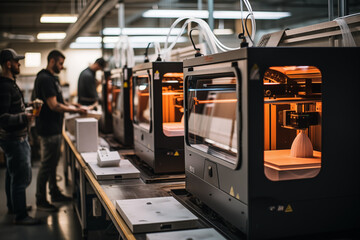
In the world of manufacturing, 3D printing has revolutionized how we think about production, prototyping, and product development. Among the various materials available for 3D printing, metal and plastic are the most prominent, each with unique advantages and challenges. This blog post delves into the critical differences between metal and plastic 3D printing, helping you make an informed decision about which is best for your specific needs.
Understanding the Basics

Plastic 3D Printing
Plastic 3D printing, often referred to as additive manufacturing, uses thermoplastics like PLA, ABS, and PETG. These materials are heated, extruded, and layered to create a finished object. Plastic 3D printing is widely accessible, cost-effective, and versatile, making it a popular choice for hobbyists, educators, and industries alike.
Metal 3D Printing
Metal 3D printing, on the other hand, involves the use of metal powders such as stainless steel, titanium, and aluminum. Techniques like Direct Metal Laser Sintering (DMLS) or Selective Laser Melting (SLM) fuse these powders together to create solid metal parts. This technology is often used in high-stakes industries such as aerospace, automotive, and medical for its ability to produce strong, durable components.
Key Comparisons
- Cost
Plastic: Generally, plastic 3D printing is more affordable. The machines are less expensive, and the materials cost significantly less than metals. This makes plastic 3D printing an excellent option for prototyping, educational purposes, and low-cost consumer products.
Metal: Metal 3D printing is a substantial investment. The printers themselves can cost hundreds of thousands of dollars, and the metal powders are considerably more expensive than plastic filaments. However, for high-value applications where material strength and durability are paramount, the cost can be justified.
- Strength and Durability
Plastic: While advanced plastics can offer impressive strength, they generally cannot match the durability of metals. Plastic parts are suitable for applications where light weight and flexibility are more critical than maximum strength.
Metal: Metal 3D printed parts are incredibly strong and durable, often rivaling traditionally manufactured metal components. This makes metal 3D printing ideal for end-use parts in demanding environments, such as aerospace components or medical implants.
- Precision and Detail
Plastic: Plastic 3D printers can achieve high levels of precision, suitable for detailed models and complex geometries. However, the surface finish may require post-processing to meet aesthetic standards.
Metal: Metal 3D printing can also achieve high precision, with the added benefit of creating complex internal structures that are impossible with traditional manufacturing. The surface finish of metal parts can be excellent, though some post-processing might still be required.
- Applications
Plastic: Plastic 3D printing excels in prototyping, educational tools, consumer products, and lightweight applications. It’s also a go-to for producing functional parts that don’t bear significant loads.
Metal: Metal 3D printing is used in industries where material properties are critical. This includes aerospace for lightweight yet strong components, automotive for robust parts, and medical for custom implants and prosthetics.
- Environmental Impact
Plastic: The environmental impact of plastic 3D printing can vary based on the material used. Biodegradable plastics like PLA have a lower environmental footprint compared to petroleum-based plastics like ABS.
Metal: Metal 3D printing can be more environmentally friendly in the long run due to the durability and recyclability of metal parts. However, the initial energy consumption and resource use can be higher.
Making the Right Choice
Choosing between metal and plastic 3D printing ultimately depends on your specific needs and constraints:
- Budget: If cost is a primary concern, plastic 3D printing is the more accessible option.
- Application Requirements: For high-strength, durable components, metal 3D printing is superior.
- Precision Needs: Both can achieve high precision, but the final application might determine which is more suitable.
- Environmental Considerations: Consider the lifecycle and recyclability of the materials used.
Both metal and plastic 3D printing offer unique advantages that cater to different applications. Understanding the strengths and limitations of each can help you choose the right technology for your project, whether you’re prototyping a new design or manufacturing end-use parts. As 3D printing technology continues to evolve, the lines between these two methods may blur, offering even more versatile and innovative solutions for the future of manufacturing.