

Key Takeaways:
- US hot-rolled steel coil prices hit a four-year high, rising 52% to $1,255 per short ton.
- Section 232 tariffs on steel and aluminum are tightening import supply and pushing buyers toward domestic mills.
- US steel now costs significantly more than European and Chinese benchmarks, raising expenses for builders and manufacturers.
US steel prices have reached their highest point in more than four years, and the ripple effects are spreading well past just the steel mill. Builders, manufacturers, and anyone who depends on steel for their business are now facing a tighter, more expensive market shaped largely by trade policy.
How High Have Steel Prices Climbed?
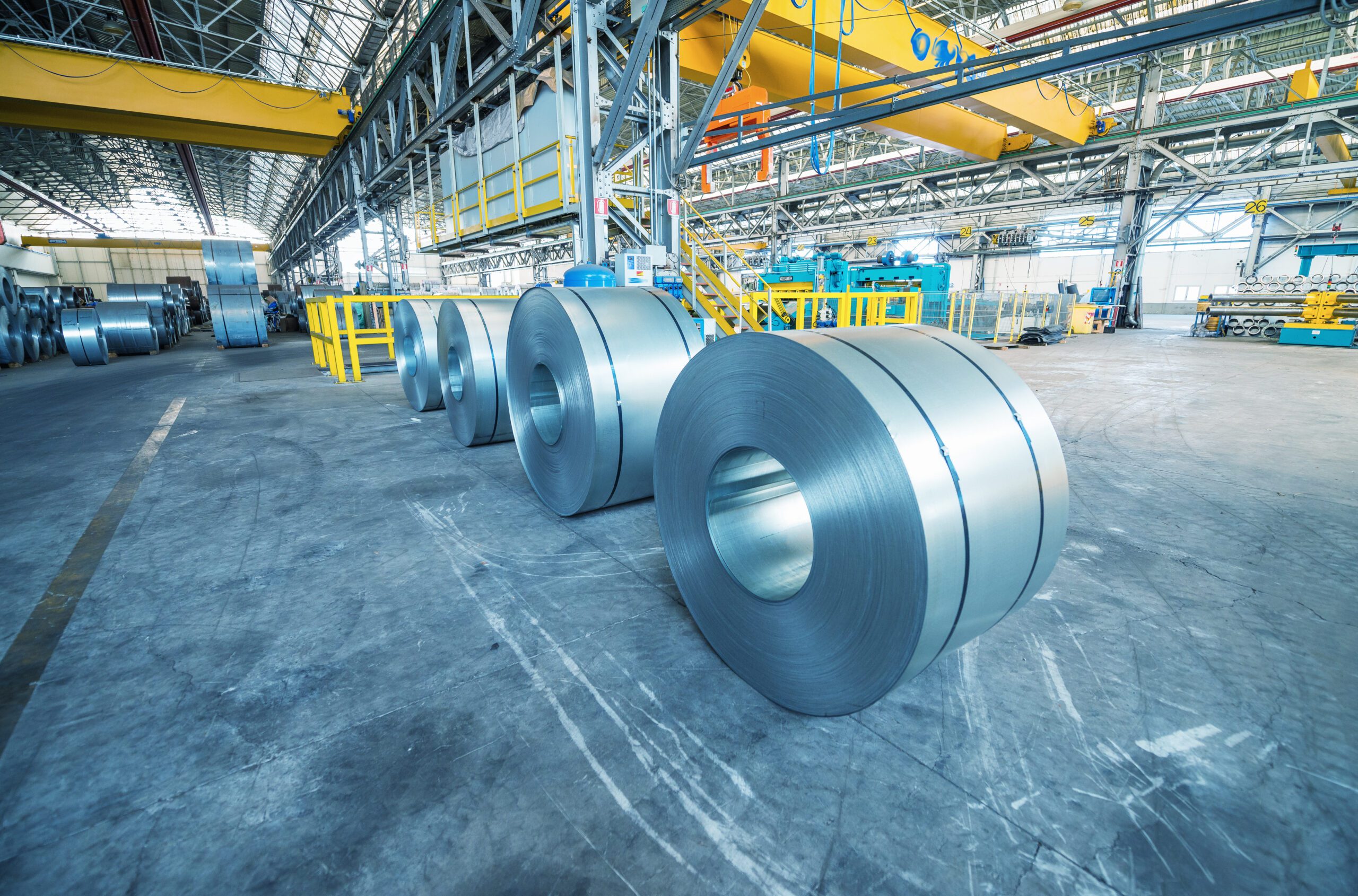
Hot-rolled coil, the benchmark most widely used to track the US steel market, has risen 52% over the past year to $1,255 per short ton, according to Bloomberg. Prices last sat at that level in May 2022. These prices have been slowly increasing throughout the year, reflecting real tightening in available supply.
The current increase follows the administration’s decision to strengthen Section 232 tariffs on steel and aluminum. These tariffs raise the cost of imported metal and nudge buyers toward domestic producers. With fewer competitively priced imports available, US mills have more room to keep prices higher, and buyers have fewer alternatives.

How Does US Steel Pricing Compare Globally?
By some estimates, American steel now costs roughly 75% more than equivalent material in Europe and nearly three times the price found in China, though figures vary depending on the benchmark used.
Domestic steelmakers are the clearest winners here. Less competition from foreign suppliers means stronger margins and steadier demand. Construction firms face a different reality, with larger bills for structural steel components. Manufacturers that rely on steel for machinery, vehicles, and fabricated parts are also seeing costs climb. Consumers may feel this too, just less directly, through pricier building projects, appliances and industrial goods.
Will Supply Catch Up With Demand?
Import restrictions have already cut overseas orders and contributed to a domestic shortage that may deepen later this year. The central question going forward is whether US mills can expand capacity fast enough to ease prices. That answer depends on several moving parts: trade flows, tariff exemptions, production capacity, and the possibility of retaliation from trading partners.
Steel prices rarely stay confined to steel. Trade policy decisions made in Washington are already working their way into construction budgets, manufacturing costs and, eventually, consumer prices. Anyone whose business touches steel, directly or indirectly, should watch closely how this plays out in the months ahead.
(Note: AI assisted in summarizing the key points for this story.)