

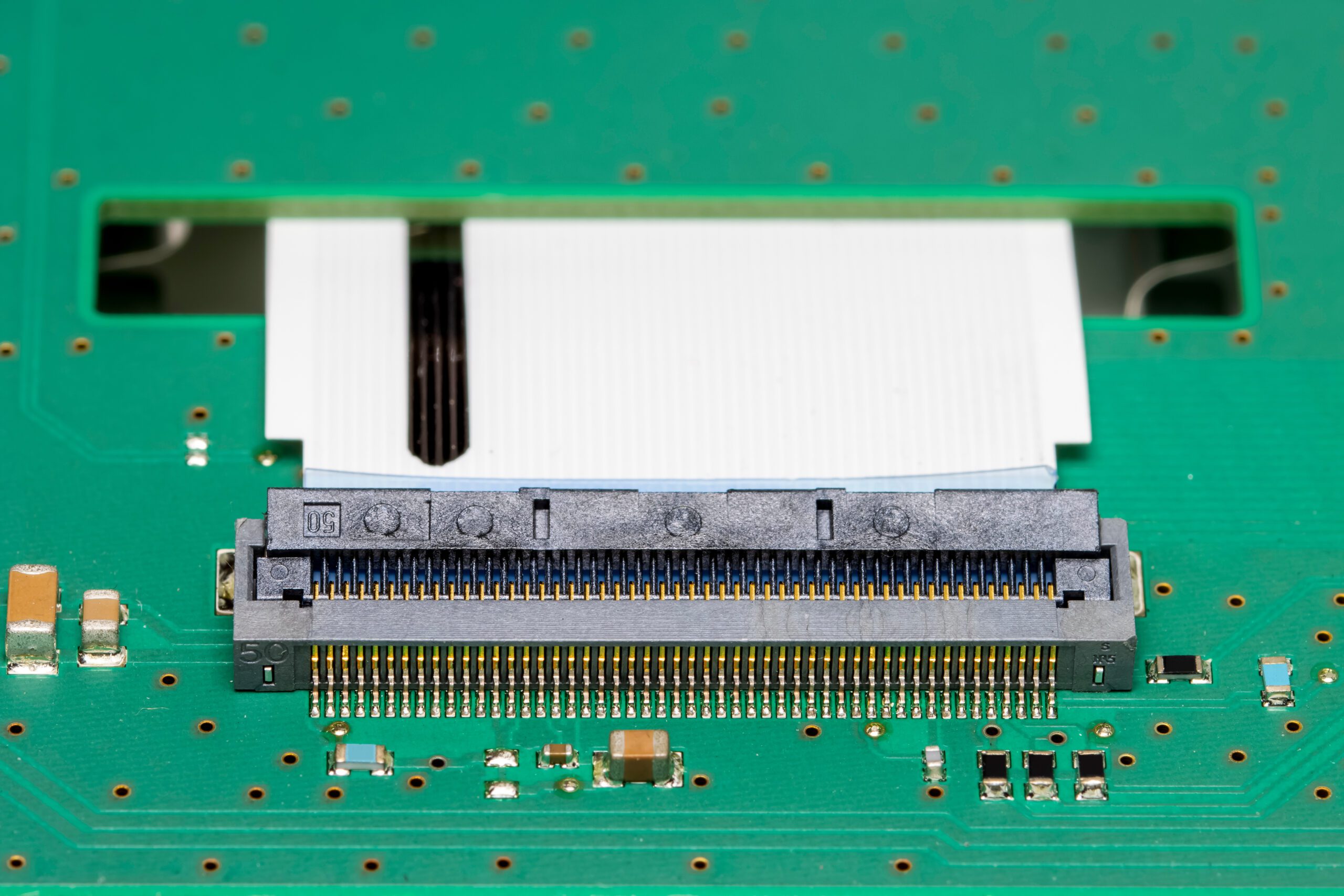
Key Takeaways:
- Reliability leads connector selection criteria with 78 percent of United States respondents calling it critical.
- More than half of respondents count on online communities and digital tools to save time and ensure compliance.
- Buyers prioritize suppliers that offer complementary products, rapid sampling and customization.
A poor connector choice can derail an entire project. To understand how industry professionals handle these high-stakes situations, Harwin recently released its 2026 connector survey. The report polled engineers and buyers across North America and Europe to identify the primary drivers behind connector specification and procurement.
What Are the Key Findings From the 2026 Survey?
The most prominent takeaway from the Harwin report is that reliability governs decision-making. Seventy-eight percent of United States respondents and 65 percent of European respondents consider high-reliability connectors critical for their designs. Buyers are moving away from conservative choices driven by marketing claims and instead demanding proven lifecycle data.
Components must last longer than ever. Thirty percent of United States respondents and 40 percent of European respondents expect their connectors to operate for more than ten years. An additional 40 percent in the United States expect a life expectancy of five to ten years. Operating lifetime came in as the third-most important connector consideration for respondents after performance in second.

Digital tools are also changing how these professionals even find parts and manage orders. Fifty-four percent of United States respondents currently use or plan to use online design tools to support their selection process. This shift helps teams avoid outdated inventory data and ensures they have access to real-time insights. The use of artificial intelligence for design optimization is also growing, with 26.4 percent of United States respondents using these technologies to predict connector performance and reduce design iterations.
Rapid prototyping has become a standard practice for validating connector solutions before committing to large bulk orders. Thirty-four percent of United States professionals and more than 50 percent of European professionals use 3D printing for fit and functional checks. This approach shaves weeks off development cycles and allows buyers to customize orders to their exact needs.
What Does High Reliability Actually Mean?
In the connector industry, high reliability refers to components designed to avoid failure in mission-critical applications. These environments can subject equipment to extreme vibration, mechanical shock and severe temperature fluctuations. Typical commercial connectors may operate safely between minus 25 and 85 degrees Celsius, but high-reliability variants can be built to withstand temperatures from minus 65 to 175 degrees Celsius.
A rugged connector will feature multiple contact points for maintaining an uninterrupted electrical signal during constant shaking. This level of durability requires specialized materials like beryllium copper contacts and high-grade plastic housings that resist cracking. While these ISO-certified components cost more upfront, they deliver significant long-term savings by preventing costly system failures and equipment recalls.
Factors Influencing Supplier Choice
When evaluating vendors, procurement managers look for partnerships that go beyond simply providing parts. The survey asked respondents to rate the vendor selection criteria on a scale of 1 to 5. United States buyers prioritized the availability of complementary products, customization services and rapid prototyping. European buyers placed the highest value on rapid sampling and a broad product portfolio. Both regions strongly value local and global technical support. Procurement teams need suppliers that offer detailed technical specifications to eliminate guesswork.
Challenges Ahead
Even with access to advanced digital platforms, respondents anticipate that their roles will become more difficult. A significant obstacle is miniaturization. Balancing tiny component footprints with power requirements and physical durability remains a complex design challenge.
Component availability and long lead times continue to cause headaches for supply chain managers. Managing performance requirements with strict cost constraints forces buyers to constantly reevaluate their sourcing strategies. Including approved alternative parts in the initial bill of materials and insisting on long-term availability clauses are some tactics for reducing these risks.
(Note: AI assisted in summarizing the key points for this story.)