

Key Takeaways:
- Fastenal Q3 2026 sales hit $2.46 billion, up 15.5% year over year on contract growth and AI-driven efficiency
- High-value customer locations spending $50,000 or more monthly rose 19%, with sales at those sites up 28%
- AI-powered quoting cut a five- to six-day process down to about 15 minutes, supporting growth without matching headcount increases
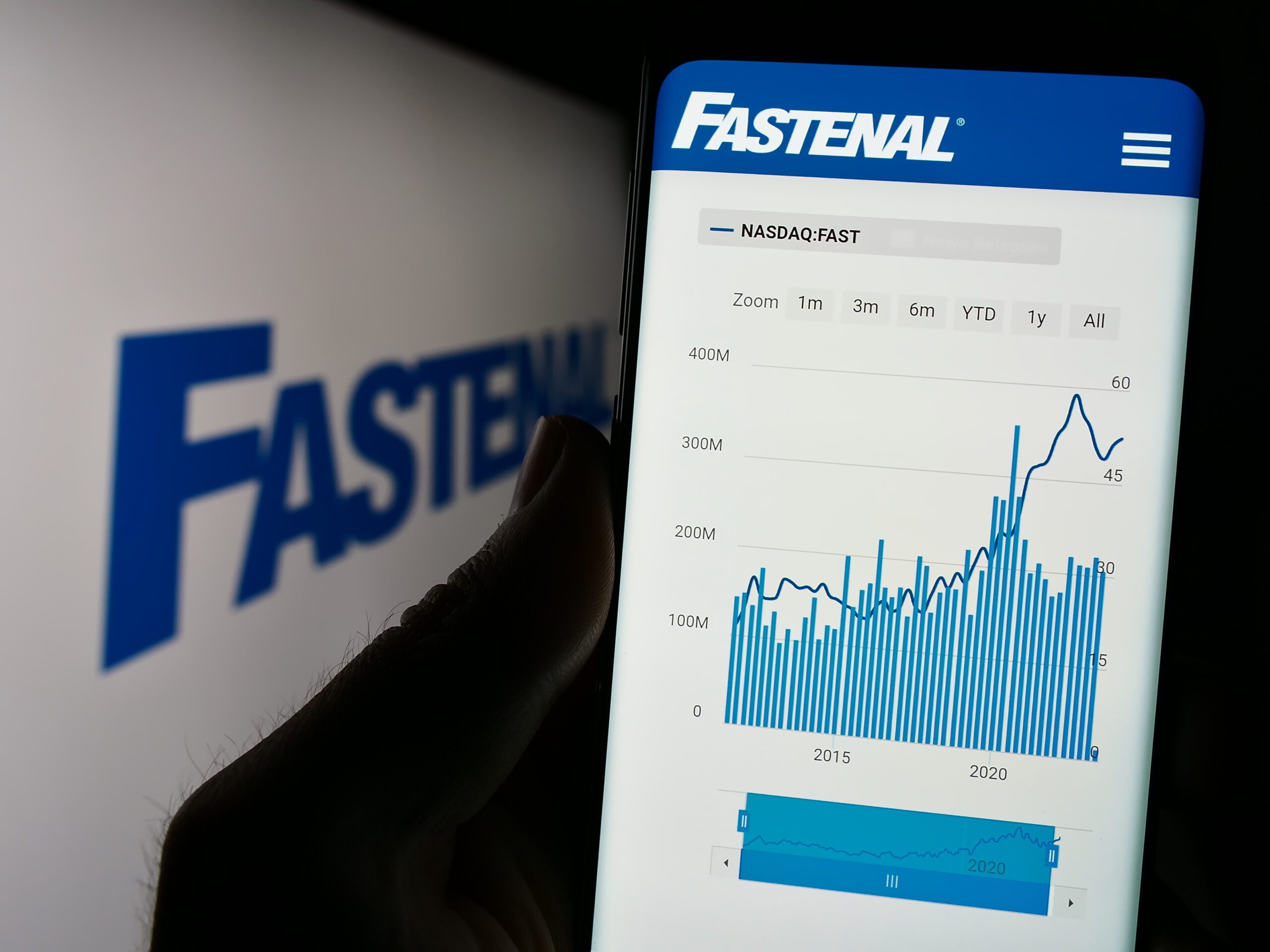
Fastenal’s third-quarter earnings tell a story that goes well beyond a single invoice. According to the company’s third-quarter 2026 earnings release, net sales reached $2.46 billion, up 15.5% from a year earlier, while net income climbed to $401.6 million. The numbers beat consensus estimates of roughly $2.44 billion. But the real signal sits beneath the headline figures: contract customers now generate more than three-quarters of total revenue, a sign that Fastenal is winning business through relationships and operational support rather than price alone.
Why Inventory Management Has Become the New Pitch
Industrial buyers have long dealt with a familiar frustration: supplies that are hard to track, inconsistent replenishment, and little visibility into what’s actually being used. Fastenal addressed that gap with barcoded bins, digital tracking, and automated replenishment tied to its FAST360 platform. In one customer example cited by the company, reorganized storage and added visibility eliminated stockouts and freed employees from time spent searching for parts. Fastenal projects these programs could eventually deliver cost savings of 25% to 30% for customers, a forecast rather than a guarantee, but one that reframes the sales conversation around efficiency instead of unit cost.
Large Accounts Are Spending More, and in More Places
The clearest evidence of that shift shows up in the numbers. Locations spending at least $50,000 a month grew 19%, and sales at those high-value sites rose 28% year over year. That pattern points to a broader trend in industrial purchasing: a single agreement often expands into vending, stock control and specialist support once a supplier proves its worth. For Fastenal, that means a larger share of existing customer spending, not just new logos.
AI Is Quietly Speeding Up the Back Office
Behind the scenes, Fastenal says artificial intelligence has cut one quoting process from five or six days down to roughly 15 minutes. That kind of acceleration lets sales teams manage more accounts without adding staff. Full-time employment rose just 0.8% even as sales expanded at a double-digit pace, a gap that underscores how much of this growth is coming from process gains rather than added headcount.
Company executives also estimate that data center construction contributed four to five percentage points to overall growth. Fastenal is placing on-site supply pods near active projects so workers can get parts quickly when schedules tighten, reinforcing its broader approach of staying close to the customer and anticipating demand before it becomes a bottleneck.
What It Means for Buyers
Fastenal’s results suggest that price and availability are now the baseline, not the differentiator. The companies winning share are the ones cutting excess inventory, preventing production stoppages, and simplifying purchasing across multiple locations. For anyone evaluating suppliers, the better question isn’t who has the lowest unit cost. It’s who removes the most friction from your operation.
(Note: AI assisted in summarizing the key points for this story.)