

Key Takeaways:
- The Fastener Distributor Index climbed to 64.2 in October, its strongest unadjusted reading since March 2021 and the eighteenth straight month of expansion.
- Sixty-three percent of fastener distributors reported sales above seasonal expectations as construction and data center projects fueled record bookings.
- Eighty-three percent of distributors reported annual price increases, meaning unit volume, not just sales value, is the real measure of fastener market health.
North American fastener distributors closed out October with their strongest performance in over five years. The Fastener Distributor Index rose to 64.2 from 63.0 in September, marking the eighteenth consecutive month the index has signaled expansion. Any reading above 50 means distributors are outperforming seasonal expectations, and October’s figure is the highest since March 2021.
However, the seasonally adjusted index saw a slight reversal , easing to 63.3 from a record 66.6 the month before. According to the Fastener Distributor Index report published by Baird and the FCH Sourcing Network, that dip shows a less favorable seasonal adjustment factor rather than any real softening in demand.
Demand Keeps Climbing
In fact, underlying demand looks healthy by almost every measure. Sixty-three percent of distributors reported sales above seasonal expectations in October, up from 59 percent in September. Respondents pointed to construction and data center projects as the primary drivers behind new business and what several called record bookings.

The six-month outlook brightened even more. Sixty-three percent of distributors now expect higher activity over the next six months, a jump from 44 percent last month. Distributors are officially planning around sustained momentum heading into next year.
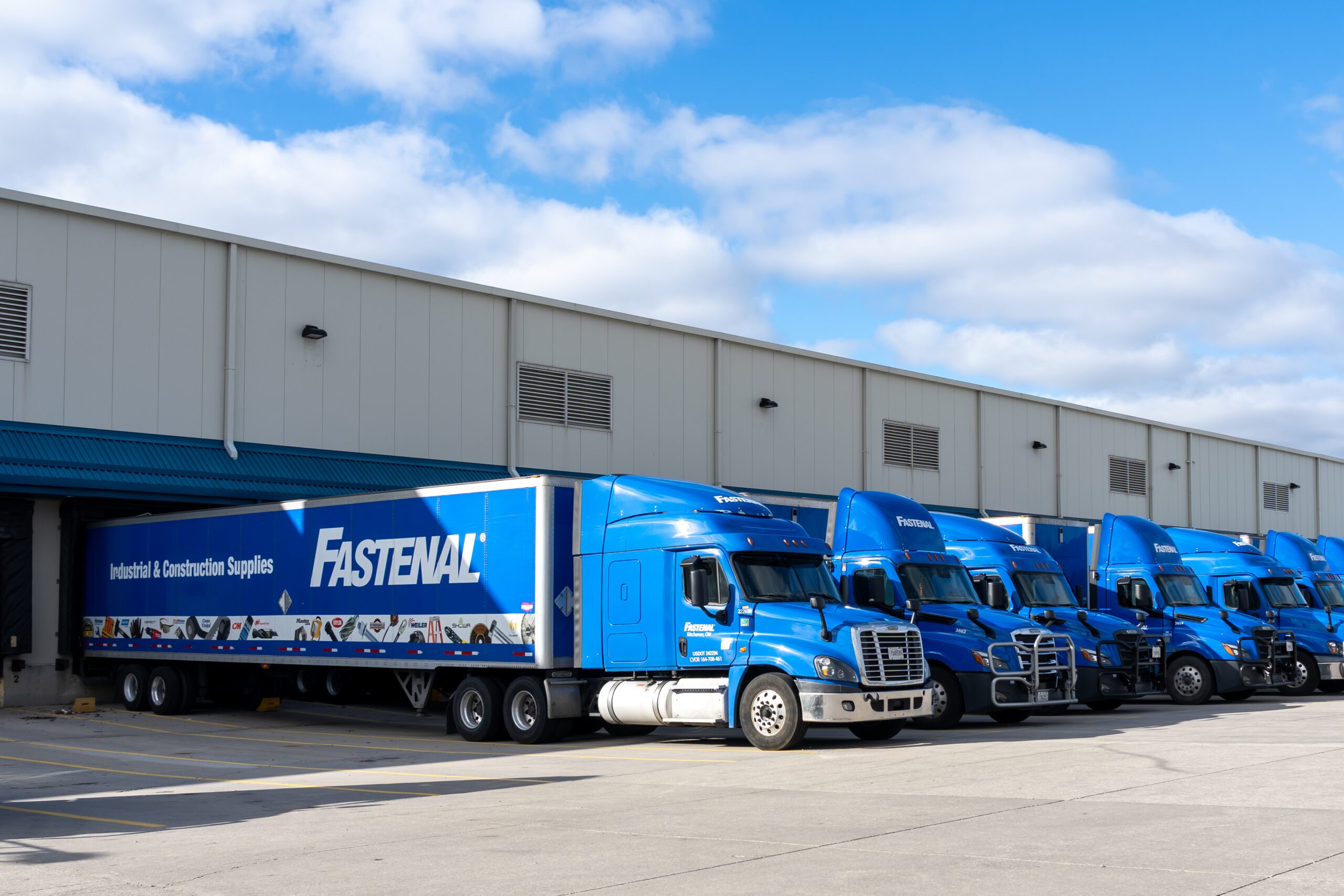
The wider industrial backdrop supports that confidence. The Institute for Supply Management’s manufacturing index accelerated to 55.5 in October, its tenth consecutive reading above 50, according to the same Baird report. Fastenal, one of the industry’s bellwethers, posted October daily sales growth of 17.1 percent year over year, its fastest pace of 2026, with heavy manufacturing and nonresidential construction both accelerating sharply.
Supply Chains Still Lagging
Strong demand hasn’t solved the industry’s delivery problems. Forty-seven percent of distributors reported slower supplier deliveries in October, an improvement from 56 percent in September but still a meaningful share of the market. Inventory concerns are moving in the wrong direction: 23 percent of distributors said their own stock levels were too low, up sharply from just 11 percent the month before.
That combination of rising sales paired with thinning shelves puts pressure on distributors to get replenishment timing right. A supplier that can’t restock fast enough runs the risk of losing the very business that record bookings are supposed to deliver.
Why Pricing Complicates the Picture
Price increases are now widespread enough that they distort how distributors should read their own sales growth. Thirty-seven percent reported month-over-month price increases in October, and a striking 83 percent reported higher prices than a year ago. Fuel, freight, and tariff costs remain persistent irritants squeezing margins even as sales rise.
This is why unit volume deserves more attention than sales value alone. A distributor whose revenue climbed 10 percent year over year could be moving the same number of fasteners while simply charging more. Separating true volume growth from price-driven revenue gains gives a far more accurate read on actual market performance, and it should shape how distributors plan purchasing and inventory in the months ahead.
What Distributors Should Watch Next
October’s index points to a fastener market that continues to show reliable strength. Eighteen straight months of expansion, a bright six-month outlook, and record bookings tied to construction and data center growth all point in the same direction. But slower deliveries, thinning inventories, and pricing pressure mean the market isn’t without its friction.
Distributors that track unit volume separately from sales value and closely monitor replenishment timing will be best positioned to continue this momentum well into the new year.
(Note: AI assisted in summarizing the key points for this story.)